

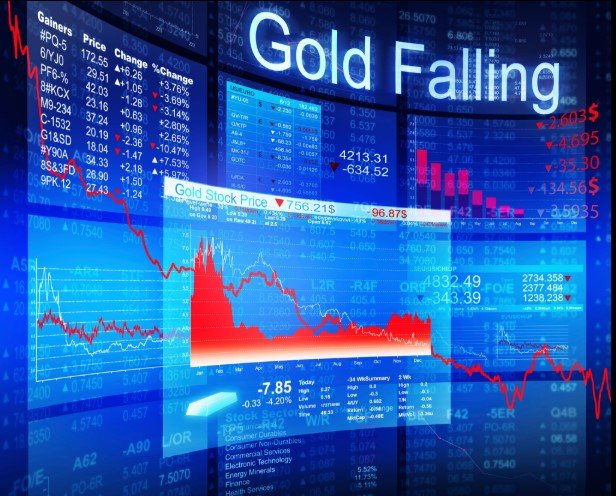
Falling gold prices in the United States have become a major topic of discussion among investors, analysts, and financial experts. Gold has traditionally been viewed as a safe-haven asset, especially during times of economic uncertainty. However, recent market movements show a noticeable decline in gold prices, raising questions about the reasons behind this trend and its long-term implications.
Why Are Gold Prices Falling in the United States?
One of the primary reasons behind falling gold prices in the United States is the strengthening of the US dollar. Gold prices usually move in the opposite direction of the dollar. When the dollar gains strength, gold becomes more expensive for foreign buyers, which reduces demand.
Another key factor is rising interest rates. Higher interest rates increase the appeal of interest-bearing assets such as bonds and savings accounts. As a result, investors often move their money away from gold, which does not provide regular income.

Gold rate drop impacting investors and precious metal markets
Impact of Inflation and Monetary Policy
Inflation plays a crucial role in determining gold prices. While gold is often used as a hedge against inflation, aggressive monetary policies by the Federal Reserve have changed market dynamics. Interest rate hikes aimed at controlling inflation have put pressure on gold prices.
As borrowing becomes more expensive, consumer spending slows down. This shift influences overall investment behavior, causing investors to reassess their exposure to precious metals. Falling gold prices in the United States reflect this broader adjustment in monetary strategy.
Global Factors Influencing US Gold Prices
Although this trend is focused on the United States, global factors also play a significant role. Geopolitical stability, international trade relations, and global economic growth all influence gold demand.
When global markets remain calm and equity markets perform well, gold often loses its appeal. Falling gold prices in the United States are partly linked to improved global market confidence and reduced fear-driven buying.
Is This the Right Time to Buy Gold?
Whether this is the right time to buy gold depends on individual investment goals. Long-term investors often consider price dips as opportunities to accumulate assets at lower costs. However, timing the market remains challenging.
Financial experts usually recommend a balanced approach. Instead of investing heavily at once, gradual investments over time can help manage risk. Falling gold prices in the United States may offer value, but careful planning is essential.
Future Outlook for Gold Prices in the US
The future of gold prices in the United States will largely depend on inflation trends, interest rate decisions, and global economic conditions. If inflation remains under control and interest rates stay high, gold prices may continue to face pressure.
However, any sudden economic slowdown, geopolitical tension, or financial crisis could revive demand for gold. Historically, gold has shown resilience during uncertain times, making it a valuable long-term asset despite short-term fluctuations.
Final Thoughts
Falling gold prices in the United States reflect a combination of strong economic performance, rising interest rates, and changing investor sentiment. While the decline may concern some investors, it also presents opportunities for others.
Understanding market conditions, staying informed, and maintaining a diversified portfolio remain key strategies. Gold may be facing challenges today, but its role as a store of value continues to hold importance in the global financial system.
Should Investors Be Concerned?
Whether falling gold prices should be a concern depends on investment strategy. Gold has historically gone through cycles of rise and decline. Short-term price movements do not necessarily reflect its long-term value.
Financial advisors often recommend holding gold as part of a diversified portfolio rather than relying on it as a primary investment. Even when prices fall, gold continues to act as a long-term store of value
Gold as a Consumer Product in the United States
In the United States, gold is widely purchased for jewelry, weddings, anniversaries, and luxury gifting. While investment demand often dominates headlines, consumer demand plays a crucial role in shaping the gold market.
When gold prices fall, consumers become more confident in making purchases. Lower prices reduce the financial barrier, encouraging people to buy gold jewelry that may have previously felt too expensive.
How Falling Gold Prices Influence Jewelry Buyers
Lower gold prices make jewelry more affordable. Consumers are more likely to purchase heavier designs, higher-purity gold, or multiple items when prices decline. This trend is especially visible in bridal jewelry and seasonal sales periods.
Falling gold prices in the US also encourage first-time buyers. Younger consumers who were previously hesitant to buy gold often see price drops as an opportunity to enter the market.
Impact on the US Jewelry Retail Market
Jewelry retailers benefit directly from falling gold prices. Lower raw material costs improve profit margins or allow retailers to offer competitive pricing. Discounts and promotional offers become more attractive, increasing foot traffic and online sales.
Retailers also use falling gold prices as a marketing tool. Price drops are often highlighted in advertising campaigns to create urgency and boost demand.
Future Outlook for Consumer Gold Demand in the US
If gold prices remain low or continue to decline, consumer demand in the US is expected to stay strong. Jewelry sales may rise steadily, supporting the retail sector even when investment demand weakens.
However, any sudden increase in inflation or economic uncertainty could quickly reverse price trends and shift demand back toward investment-driven buying.