


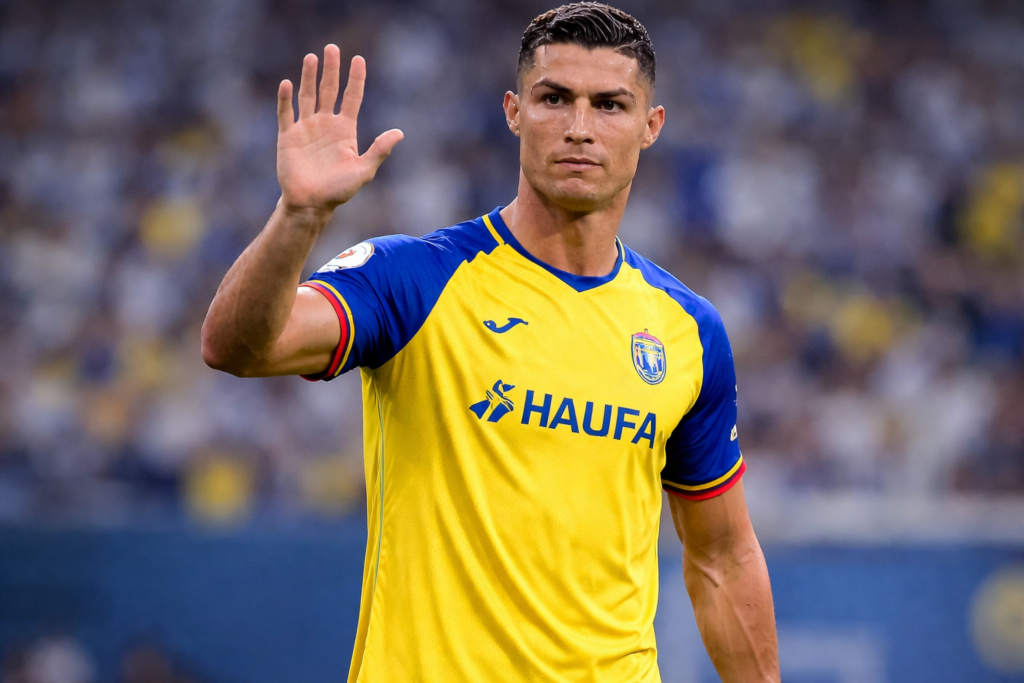
If the strike was over, why was Cristiano Ronaldo not playing for Al Nassr?
The Background: What Happened Before His Absence?
Before understanding why Cristiano Ronaldo was not playing for Al Nassr, it is important to look at the context.
Reports suggested that Ronaldo had expressed frustration over certain club decisions. These concerns were believed to involve:
- Squad strengthening strategy
- Competitive ambitions compared to rival clubs
- Internal management communication
- Tactical direction
While the word “strike” was used by media outlets, it is more accurate to describe it as a short period of tension between player and management. Ronaldo reportedly stepped back from participating in specific matches while discussions took place.
Soon after, multiple sources confirmed that the disagreement had been resolved. Ronaldo returned to training, and communication channels reopened. Fans assumed everything had returned to normal.
But then came the surprise — he still did not appear in the lineup.
Tactical Rotation: The Most Practical Explanation
The most realistic and football-based explanation is tactical rotation.
Modern football is no longer about playing every star in every match. Even the biggest players are rotated strategically. At 41 years old, Cristiano Ronaldo remains an elite athlete, but workload management becomes critical.
Al Nassr’s schedule has included:
- Domestic league matches
- Continental tournament fixtures
- High-pressure knockout rounds
- Travel-intensive away games
Coaches often rest key players in lower-risk matches to protect them for decisive games.
This decision is not emotional. It is strategic.
In elite football, squad rotation helps:
- Prevent muscle injuries
- Maintain long-term stamina
- Reduce fatigue accumulation
- Maximize performance in big matches
Ronaldo’s absence, therefore, may not signal conflict but intelligent planning.
Age and Physical Management
Cristiano Ronaldo’s physical condition remains extraordinary. However, sports science does not ignore age.
At this stage of his career:
- Recovery cycles take slightly longer
- Minor muscle fatigue must be managed carefully
- Match intensity requires selective deployment
Even though Ronaldo maintains peak fitness standards, no club wants to risk overplaying its most valuable asset.
Resting him for one match after tension may serve two purposes:
- Avoid physical overload
- Allow media pressure to cool down
This protects both the player and the team.


Psychological Reset After Public Tension
When media headlines mention a “strike,” the environment becomes emotionally charged.
Even after issues are resolved internally, managers may prefer to:
- Reduce public spotlight
- Avoid forcing immediate re-entry
- Prevent locker room distraction
By not rushing Ronaldo back into the lineup immediately, the coaching staff may have aimed to stabilize the dressing room atmosphere.
Strategic Focus on Bigger Matches
Another strong possibility is match prioritization.
Not all matches carry equal weight.
Some games determine:
- League standings
- Knockout survival
- Championship pathways
If a more important match is scheduled days later, resting Ronaldo in the earlier game is logical.
Cristiano Ronaldo not playing for Al Nassr may have been a calculated decision to ensure maximum impact in a crucial upcoming fixture.

Instead, it reflects the evolving reality of managing a global superstar in the final elite phase of his career.