



The phrase “”Epstein File and Donald Trump” has once again captured nation attention in the United states. New outlets, political commentators, and social media users have renewed discussions about the past relationship between former U.S. President Donald Trump and convicted sex offender Jeffrey Epstein.
Recent document disclosures, congressional remarks, and renewed investigative interest have pushed this topic back into the headlines. Many Americans want clarity. They want facts They want to understand what these files contain and what they actually mean.
This article provides a comprehensive, facts-based, and active-voice analysis political consequences in the United States.

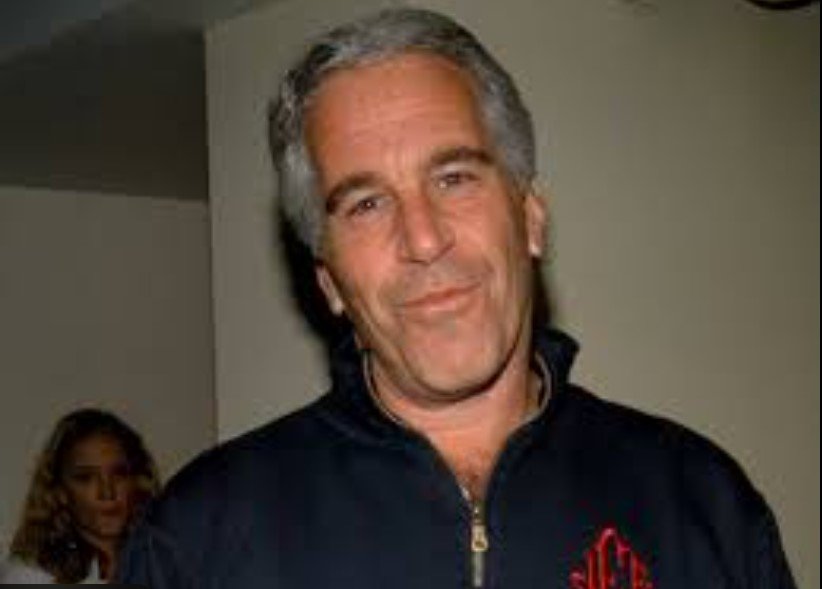
Who Was Jeffrey Epstein?
Jeffrey Epstein built his public image as a wealthy financier with powerful connections, and He cultivated relationships with politicians, business leaders, academics, and celebrities. For years, he presented himself as a successful investor with access to elite circles.
However, law enforcement investigations exposed a far darker reality.
Authorities accused Epstein of running a sex trafficking operation involving underage girls. He faced charges in Florida in 2008 and later in New York in 2019. In 2019, authorities arrested him on federal sex trafficking charges. Shortly afterward, he died in jail while awaiting trial.
His death intensified public suspicion. Many Americans questioned whether powerful individuals connected to him avoided scruntiny. As a result, demand for tranparency grew.
What Are the Epstein Files?
The “Epstein files” refer to a broad collection of investigative documents. These include:
- Court filings
- Deposition transcripts
- Flight logs
- Email records
- Financial documents
- FBI investigation materials
Courts and agencies have released some of these records gradually. In recent months, additional documents have surfaced through legal proceedings and congressional pressure.
Importantly , the presence of someone’s name in the Epstein files does not automatically prove criminal conduct. Many individuals appeared in contact lists, flight logs, or social events without facing charges. However, the public continues to examine every new detail carefully.




Donald Trump and Jeffrey Epstein: Their Past Relationship
Donald Trump and Jeffrey Epstein moved in similar elite social circles during the 1980s and 1990s. Both maintained residences in Palm Beach and New York. Photographs from that era show them attending some of the same events.
Trump once described Epstein as someone he had known socially. Reports indicate that Epstein visited Mar-a-Lago in the past. However, Trump later stated that he ended the relationship and banned Epstein from his club after a disagreement.
Trump has consistently denied involvement in Epstein’s criminal activity. No court has charged Trump with crimes related to Epstein’s trafficking operation. Nonetheless, recent document releases revived public debate.
Why Is This News Trending Again?
The renewed attention stems from:
- Newly unsealed court documents
- Congressional statements
- Media investigations
- Political pressure for full disclosure
Some lawmakers have argued that redactions in released files hide important information. Others claim the documents show no direct evidence of wrongdoing by certain high-profile individuals.
Because Trump remains a major political figure, any mention of his name in newly released materials generates immediate headlines. Media outlets analyze even minor references.
In election cycles, controversies gain additional intensity. Political opponents use these developments to question character and judgment. Supporters argue that critics misrepresent social associations as criminal involvement.
What Do the Released Documents Actually Show?
Recent documents reportedly include:
- References to past social interactions
- Mentions in flight logs
- Third-party testimony
- Legal correspondence
However, no released document has proven that Donald Trump participated in or knew about Epstein’s criminal trafficking network
Public debates often confuses association with evidence. Legal systems require proof. Social proximity alone does not equal guilt.
At the same times, voters often evaluate leaders based on judgment and association. Therefore, even indirect connection can influence public preception.
The Political Impact in the United States
The phrase “Epstein Files and Donald Trump” now political weight.
Opponents of Trump use the renewed disclosures to question transparency and ethics. They argue that full disclosure of all documents remains necessary.
Supporters respond with several arguments:
- Trump reportedly cooperated with investigators.
- He distanced himself from Epstein years before the 2019 arrest.
- No criminal charge links him to Epstein’s trafficking crimes.
- No criminal charge links him to Epstein’s trafficking crimes.
This debate reflects a broader American political pattern. Public trust has declined across institutions. Many voters believe powerful individuals avoid consequences.
The Epstein case symbolizes that distrust.
Media Coverage and Public Reaction
News coverage varies widely across outlets. Some focus on investigative transparency. Others highlight political implications. Social media amplifies emotional reactions.
Three major themes dominate public discourse:
- Demand for full transparency
- Suspicion toward elites
- Political polarization
Americans increasingly question whether justice applies equally to all. The Epstein files feed that narrative because Epstein associated with so many high-profile individuals.
Legal Perspective: Evidence vs. Allegation
From a legal standpoint, courts rely on verifiable evidence. Allegations alone cannot justify prosecution
So far:
- No court has convicted Donald Trump in relation to Epstein’s crimes.
- No indictment ties him directly to trafficking activities.
Legal analysts emphasize that investigations must distinguish rumor from documented wrongdoing.

Elite Networks and Accountability
The Epstein case exposed how wealth and influence can create access to powerful networks. It raised uncomfortable questions:
- How did Epstein gain trust in elite circles?
- Why did some institutions overlook warning signs?
- How should society evaluate past associations?
These questions extend beyond any single political figure. They challenge how America views power and accountability.

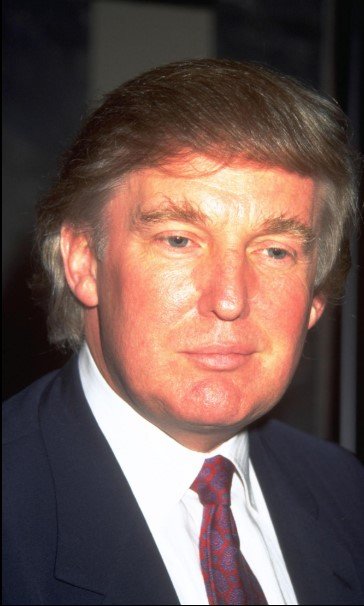
Timeline Overview
Here is a simplified timeline of relevant events:
- 1980s–1990s: Trump and Epstein socialize in similar circles.
- Early 2000s: Reports indicate Trump distances himself from Epstein.
- 2008: Epstein pleads guilty in Florida to state-level charges.
- 2019: Federal authorities arrest Epstein in New York.
- 2019: Epstein dies in jail.
- 2020–Present: Courts release various documents tied to civil lawsuits.
- Recent months: Renewed document releases spark political debate.
Transparency and Congressional Pressure
Some lawmakers have called for complete disclosure of all Epstein-related files. They argue that transparency strengthens public trust.
Others caution against releasing unverified accusations that could harm individuals unfairly.
Balancing transparency and privacy remains complex.
Why This Story Continues to Resurface
The Epstein case remains unresolved emotionally for many Americans. His death prevented a full public trial. Victims sought justice. Observers wanted accountability from all associates.
When courts release new documents, media coverage reignites the story.
High-profile names increase attention.
What Americans Should Understand


The discussion around Epstein Files and Donald Trump reflects broader concerns about transparency, accountability, and political trust in the United States.
- Jeffrey Epstein committed serious crimes involving trafficking minors.
- Courts released documents mentioning numerous public figures.
- Donald Trump had past social contact with Epstein decades ago.
- No court has convicted Trump in connection with Epstein’s criminal network.
- Political debate continues as new documents surface.
Americans deserve factual reporting. They deserve transparency. They also deserve protection from misinformation.
As new information emerges, responsible analysis must rely on documented evidence rather than speculation.
The Epstein case remains one of the most controversial legal and political sagas of modern American history. Its impact extends beyond any single name. It challenges how society confronts power, privilege, and accountability
Only continued transparency and careful review of verified documents will clarify the full historical record.