Venezuela’s Ongoing Crisis: A Country Struggling for Stability
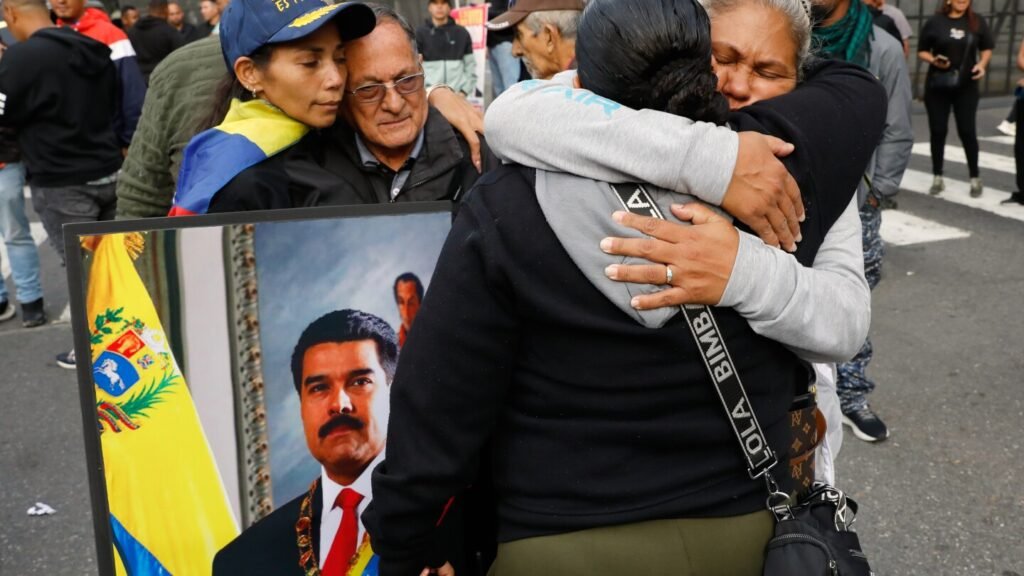
Venezuela is currently going through one of the most difficult periods in its history. Once known as one of the wealthiest nations in Latin America because of its large oil reserves, the country is now facing serious political unrest, economic collapse, and social hardship. Over the years, these problems have grown deeper, and recent events have once again brought Venezuela into the global spotlight.
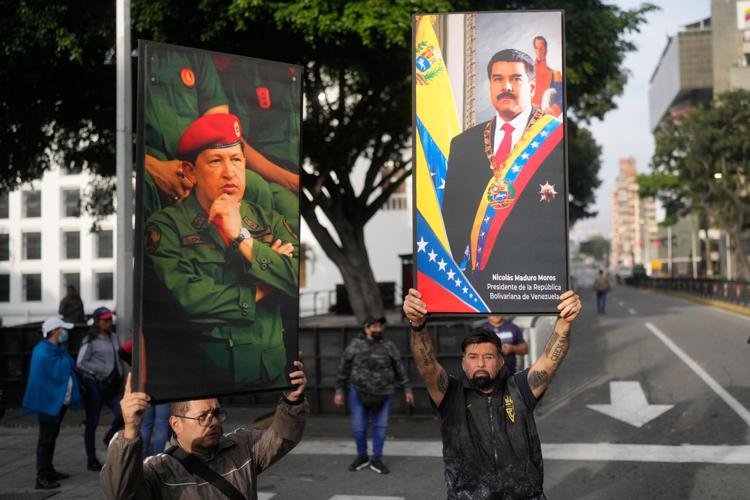
At the heart of Venezuela’s troubles lies political instability. President Nicolás Maduro’s government has been under constant criticism from opposition parties and several foreign governments. Many accuse the administration of holding unfair elections, limiting freedom of speech, and using force to silence critics. As a result, trust between the government and the people has weakened. Protests have become common, with citizens demanding change, better living conditions, and democratic reforms. Unfortunately, these protests often end in clashes with security forces, increasing tension across the country.
Alongside , Venezuela’s economy has nearly collapsed. Hyperinflation has made everyday life extremely difficult for ordinary people. Prices of basic goods such as food, medicine, and fuel have risen so sharply that many families can no longer afford their daily needs. Even people with jobs struggle to survive, as salaries are often not enough to cover basic expenses. Shops may have products on the shelves, but for many citizens, they remain out of reach.
It is especially tragic because Venezuela has vast natural resources. The country holds one of the largest oil reserves in the world, yet poor management, corruption, and lack of investment have badly damaged the oil industry. International sanctions have also played a role by limiting trade and access to foreign markets. Together, these factors have reduced government income and made economic recovery even more challenging.
The economic breakdown has led to a severe humanitarian crisis. Hospitals often lack essential medicines and medical equipment. Patients are forced to bring their own supplies or go without proper treatment. Schools face shortages of staff and materials, affecting children’s education. In many areas, electricity cuts and water shortages are part of daily life, adding to people’s frustration and exhaustion.
Because of these harsh conditions, millions of Venezuelans have chosen to leave their homeland. Families have crossed borders on foot, carrying only what they can manage, hoping for a better future elsewhere. This mass migration has had a major impact on neighboring countries, which are struggling to support the large number of refugees. At the same time, Venezuela has lost many skilled workers, doctors, and teachers, making recovery even more difficult.
Venezuela’s crisis has also created strong international tensions. The United States and several other countries have imposed sanctions on the Venezuelan government in an attempt to pressure it into political change. Supporters of these actions believe sanctions are necessary to restore democracy. Critics, however, argue that sanctions mainly hurt ordinary citizens rather than political leaders. Meanwhile, countries like Russia and China continue to support Venezuela, turning the crisis into a global political issue.
Looking ahead, Venezuela’s future remains uncertain. Many people inside and outside the country hope for peaceful dialogue between the government and opposition. Free and fair elections, economic reforms, and international cooperation are often mentioned as key steps toward recovery. However, rebuilding trust and stability will take time and effort.
In conclusion, Venezuela’s situation is the result of years of political conflict, economic mismanagement, and social hardship. The suffering of ordinary citizens highlights the urgent need for lasting solutions. Only through cooperation, reform, and a focus on the well-being of the people can Venezuela hope to move toward a more stable and hopeful future.