


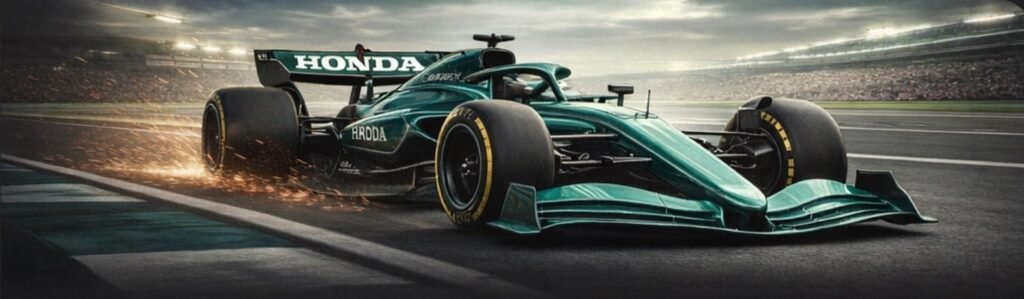
Honda F1 Return 2026: A Powerful Comeback to Formula One
This comeback marks a major milestone for the Japanese manufacturer, which has played a significant role in Formula 1 history. After stepping away as an official power unit supplier in 2021, Honda is now preparing for a full return under the sport’s new technical regulations.
Honda’s History in Formula One
Honda entered Formula One in the 1960s and quickly gained recognition for its engineering excellence. Over the decades, Honda-powered cars achieved remarkable success, including dominant championship runs with McLaren during the late 1980s and early 1990s.
In recent years, Honda powered Red Bull Racing to multiple Drivers’ and Constructors’ Championships. Max Verstappen achieved world championship success with Honda engines, proving the brand’s competitiveness at the highest level. Although Honda officially exited Formula 1 after the 2021 season, it continued technical support for Red Bull until 2025.
The Honda F1 return in 2026 represents a renewed commitment rather than a fresh start.
Why Honda Is Returning to F1 in 2026
The 2026 Formula One regulations align closely with Honda’s long-term vision. These regulations emphasize sustainability, increased electrical power, and the use of carbon-neutral fuels. For Honda, Formula 1 serves as a global platform to develop and showcase advanced hybrid technologies that can later benefit road cars.
Key features of the 2026 regulations include:
- A 50% electric and 50% internal combustion power split
- Mandatory use of 100% sustainable fuels
- Simplified and cost-controlled power unit designs
Honda and Aston Martin Partnership
From the 2026 season, Honda will supply power units exclusively to the Aston Martin Formula One Team. This partnership represents a long-term commitment focused on competitiveness and innovation.
Aston Martin has invested heavily in state-of-the-art facilities, including a new factory and advanced wind tunnel technology. With Honda’s engine expertise and Aston Martin’s growing technical infrastructure, the partnership aims to challenge established teams at the front of the grid.
Both brands share a vision centered on performance, sustainability, and long-term success in Formula One.
Honda F1 Engine Development for 2026
Honda is developing an all-new power unit specifically for the 2026 regulations. The new Honda F1 engine will feature:
- Increased electrical power output
- Advanced energy recovery systems
- Improved thermal efficiency
- Full compatibility with sustainable fuels
Honda’s extensive experience in hybrid systems gives the company confidence that it can deliver competitive performance from the first season.
Impact of Honda’s Return on Formula One
Honda’s return will increase competition across the Formula One grid. More competitive power units will accelerate technological development and improve racing quality for fans worldwide.
Additionally, Honda’s involvement supports Formula One’s sustainability goals, reinforcing the sport’s transition toward a cleaner and more environmentally responsible future.
Future Expectations for Honda F1
While immediate championship success is never guaranteed, Honda has built a strong foundation for long-term competitiveness. With a focused engine development program and a dedicated works partnership, Honda F1 has the potential to become a championship contender in the seasons following 2026.
Fans and analysts continue to closely monitor Honda’s progress as the new era approaches.

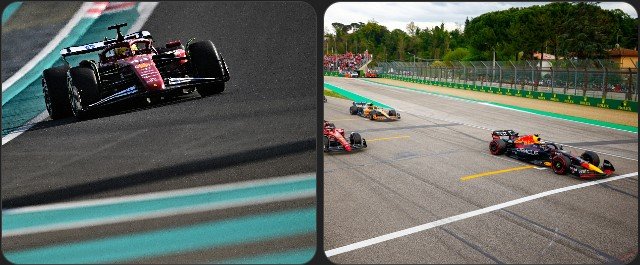
Honda F1: Racing Toward a New Era
Looking ahead to 2026, Honda’s return to Formula One is expected to change how competitive the sport is. With strong engineering experience and full factory support, Honda plans to compete strongly against other engine manufacturers right from the start of the new rules. Its partnership with the Aston Martin Formula One Team gives Honda a powerful platform to turn new technology into strong race results. This collaboration shows Honda’s serious intention to succeed in the next era of Formula One.
Honda F1 is preparing for a strong and strategic comeback to Formula One in the 2026 season. This return represents Honda’s renewed commitment to top-level motorsport after several years away as an official engine supplier. With Formula One entering a new technical era focused on sustainability and hybrid innovation, Honda sees 2026 as the perfect opportunity to re-establish itself as a leading power unit manufacturer.
Honda’s Strategic Vision for Formula One
Honda views Formula One as a high-performance research platform. The new 2026 regulations emphasize electric power, efficiency, and carbon-neutral fuels, which align closely with Honda’s road car development goals. By returning to F1, Honda aims to accelerate innovation in hybrid systems and energy management.
The company plans to use Formula One technology to support its wider transition toward electrification and sustainable mobility.
Evolution of Honda F1 Technology
Honda has continuously evolved its Formula One technology over decades. From early naturally aspirated engines to modern hybrid power units, Honda has demonstrated adaptability and engineering excellence.
In the hybrid era, Honda achieved major success by refining reliability, improving power delivery, and mastering energy recovery systems. These strengths are expected to play a crucial role again in the 2026 season, where electrical output will significantly increase.
Honda is designing a completely new power unit for the 2026 Formula One season. This engine focuses on balance rather than raw power alone. Efficiency, electrical performance, and durability form the core of Honda’s engineering philosophy.
Key goals for the Honda F1 2026 engine include:
- Maximizing electrical energy deployment
- Improving overall thermal efficiency
- Reducing environmental impact
- Ensuring long-term reliability
Honda aims to deliver competitive performance from the very first race of the new era.
Honda F1 Return 2026 Honda has chosen a focused partnership strategy for its Formula One return. By working closely with a single team, Honda can optimize integration between the chassis and power unit. This approach allows engineers to fine-tune performance and streamline development.

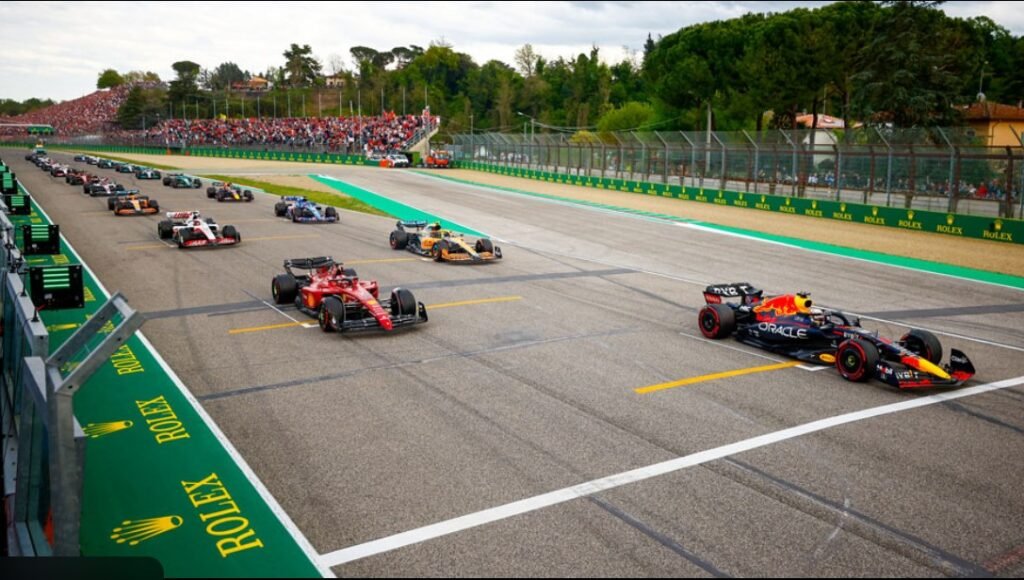
“The racing track comes alive as speed, precision, and passion collide at every corner.”
Impact on the Competitive Grid
Honda’s return is expected to increase competition across the Formula One grid. New power unit manufacturers often introduce fresh ideas, which push the entire field forward. Increased competition typically leads to improved racing quality and closer championship battles.
Sustainability and the Future of Honda F1
Sustainability plays a key role in Honda’s Formula One strategy. The use of fully sustainable fuels and increased electrical power allows Honda to demonstrate its commitment to reducing carbon emissions while maintaining high performance.
This approach supports Formula One’s broader mission to achieve a carbon-neutral future and reinforces Honda’s global sustainability goals.
Long-Term Expectations for Honda F1
Honda does not expect instant dominance, but the company has laid a strong foundation for long-term success. With careful planning, advanced technology, and a clear vision, Honda F1 has the potential to become a championship contender within a few seasons.
Industry experts and fans continue to closely watch Honda’s progress as 2026 approaches

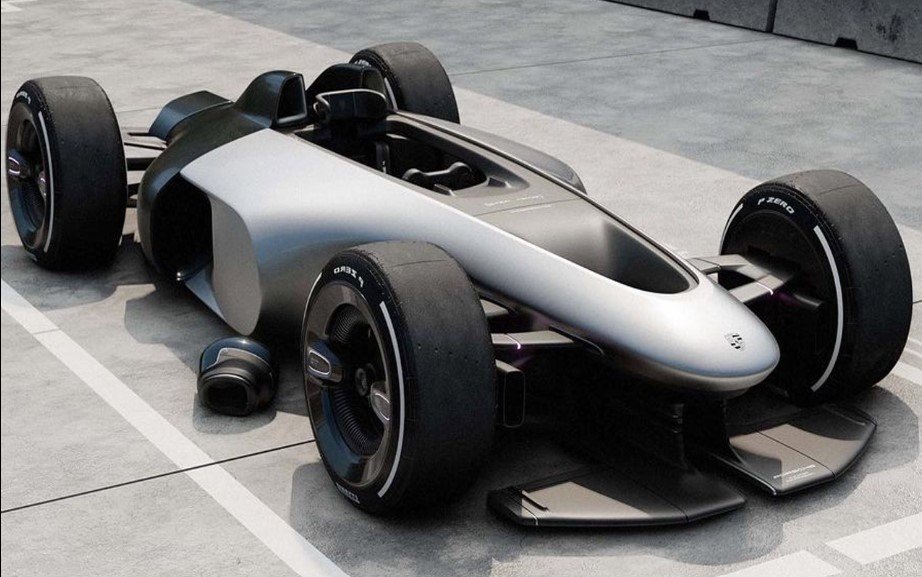
“A racing car turns pure engineering into breathtaking speed on the track.”