
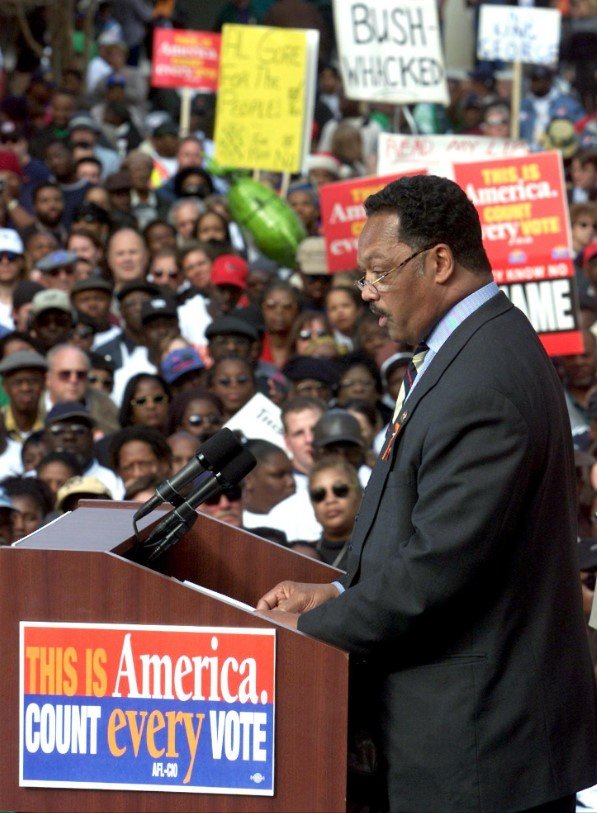
Jesse Jackson was one of the most influential civil rights leaders in modern American history. For more than five decades, he stood at the center of political activism, racial equality movements, economic justice campaigns, and international diplomacy efforts. His voice shaped national debates, empowered marginalized communities, and opened political doors for future generations Jesse Jackson death.
His passing in 17 February 2026 marked the end of an era in American civil rights leadership. However, his legacy continues to influence politics, social justice movements, and community organizing across the United States.
Jesse Louis Jackson Sr. was born on October 8, 1941, in Greenville, South Carolina. He grew up in the segregated South during a time when racial discrimination was deeply rooted in American society. Experiencing inequality firsthand shaped his understanding of justice and fueled his desire for change.
Jackson attended North Carolina A&T State University, a historically Black university, where he became actively involved in student leadership and civil rights organizing. His early activism prepared him for a life dedicated to fighting systemic injustice.
Role in the Civil Rights Movement
In the 1960s, Jackson joined the Southern Christian Leadership Conference (SCLC) and worked closely with Dr. Martin Luther King Jr. During this period, he participated in marches, protests, and campaigns aimed at ending segregation and securing voting rights for African Americans.
After Dr. King’s assassination in 1968, Jackson emerged as one of the prominent figures continuing the struggle for equality. He believed the movement should expand beyond civil rights to include economic justice and political empowerment
Founding Operation PUSH and the Rainbow Coalition
In 1971, Jackson founded Operation PUSH (People United to Save Humanity). The organization focused on economic empowerment, encouraging corporations to hire minorities, invest in underserved communities, and support diversity in leadership.
In 1984, he launched the Rainbow Coalition. The idea behind the coalition was simple yet powerful: unite people of different races, religions, and economic backgrounds to demand fairness and equal opportunity. Jackson believed that social change required building broad alliances rather than dividing communities.
These initiatives helped transform civil rights activism from street protests into structured economic and political influence.
Presidential Campaigns: Breaking Political Barriers
Jesse Jackson made history when he ran for President of the United States in 1984 as a Democratic candidate. At that time, it was rare for an African American candidate to compete seriously in a major party primary.
In 1988, he ran again and achieved even greater success. He won several Democratic primaries and secured millions of votes nationwide. Although he did not win the nomination, his campaign proved that a Black candidate could build a broad national coalition.
His presidential runs paved the way for future candidates, including Barack Obama, who later became the first African American president of the United States.
Advocacy Beyond America
Jackson’s influence extended beyond U.S. borders. He played roles in international diplomacy, negotiating the release of American hostages abroad and advocating for peace in global conflicts. He also strongly opposed apartheid in South Africa and supported global human rights efforts.
His diplomatic work demonstrated that activism could operate both domestically and internationally.
Jesse Jackson Death at 84
Unlike some civil rights leaders who focused primarily on racial equality, Jackson consistently emphasized economic justice. He believed that racial equality without economic opportunity would leave communities vulnerable.
He advocated for:
- Fair wages
- Minority-owned business development
- Corporate accountability
- Voter registration drives
- Expanded access to education
His speeches often linked poverty to structural inequality and called for systemic reform rather than temporary solutions.
Later Years and Health Challenges
In 2017, Jackson publicly announced that he had been diagnosed with Parkinson’s disease. Despite health challenges, he remained active in public life for several years, continuing to speak on issues of justice and equality.
As his health declined, he stepped back from leadership roles, though he remained a respected voice in national conversations and Jesse Jackson death.
In 17 February 2026, Jesse Jackson passed away at the age of 84. His death prompted tributes from political leaders, activists, and community organizations across the country. Many described him as a bridge between the civil rights era of the 1960s and modern political movements.
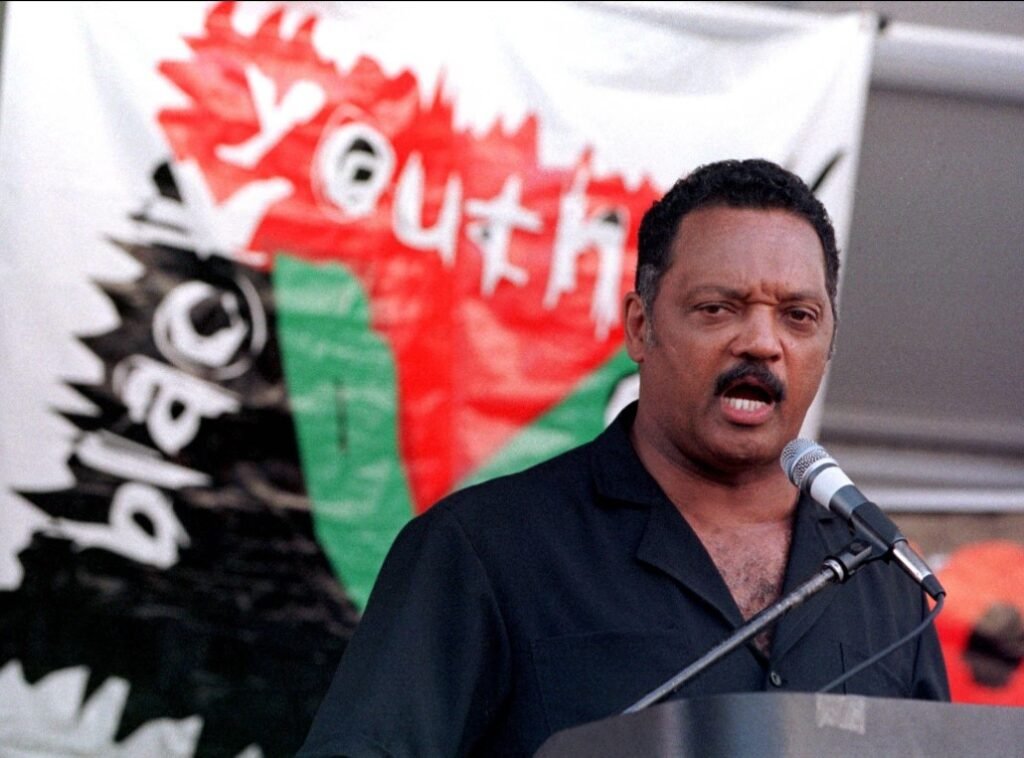
His Impact on American Politics
esse Jackson changed American politics in several key ways:
- He normalized diverse presidential candidates in national elections.
- He expanded the Democratic Party’s coalition-building strategy.
- He connected civil rights activism to economic empowerment.
- He emphasized grassroots political participation.
Without his groundbreaking campaigns and coalition strategies, American political diversity might have evolved much more slowly.
A Complex and Influential Figure
Like many long-standing public figures, Jackson faced criticism and controversy during his career. However, even critics acknowledged his influence and determination.
Supporters praised him for courage, charisma, and persistence. They viewed him as a fearless advocate who spoke for those who felt unheard and Jesse Jackson death