
Peter Greene American actor death shocked fans across Hollywood as the talented character performer left behind a powerful cinematic legacy.
Peter Greene American actor became one of Hollywood’s most intense character performers, earning recognition through unforgettable roles in crime dramas and cult classics during the 1990
Born on October 8, 1965, and passing away on April 14, 2023, Peter Greene’s life was a journey of talent, struggle, resilience, and artistic passion. His death marked the end of a remarkable yet challenging life, but his performances continue to live on. Peter Greene American actor
Peter Greene American Actor Death and Cause Legacy
Greene’s breakthrough came in 1994 with a small but shocking role in Pulp Fiction. Even with limited screen time, his character left a strong impression on audiences.
The same year, he gained widespread recognition for playing the villain Dorian Tyrell in The Mask, opposite Jim Carrey. This role made him a recognizable face in Hollywood and established him as a talented character actor
During this period, Greene appeared in several notable films, including:
- Clean, Shaven (1993)
- Laws of Gravity (1992)
- Permanent Midnight (1998)
- Blue Streak (1999)
Television Work
Peter Greene also worked extensively on television. He appeared in popular series such as:
- The X-Files
- NYPD Blue
- Murder One
- Touched by an Angel
On television, he often played criminals, suspects, or psychologically disturbed individuals, but he brought depth and humanity to these roles.
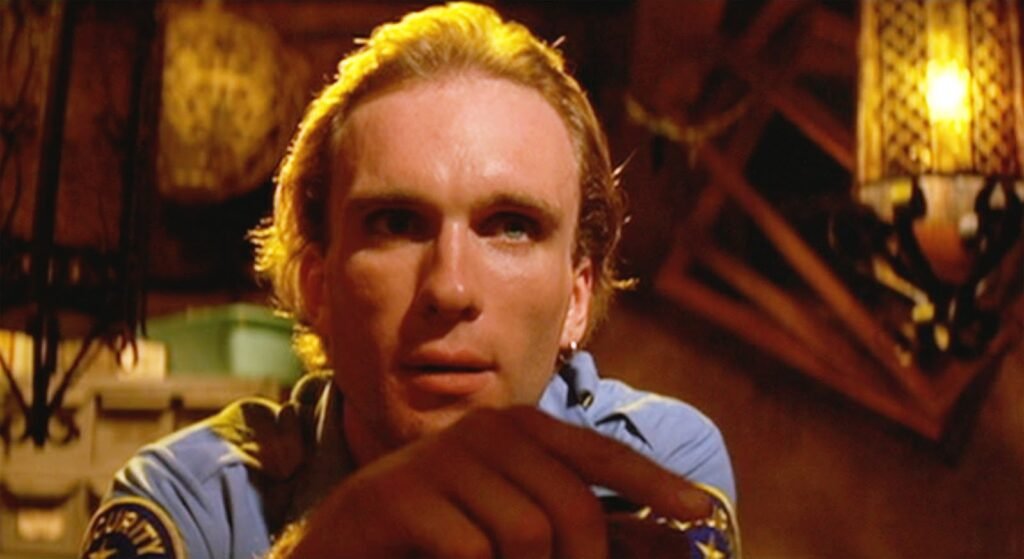
Photo Credit: AI-Generated Illustration for editorial use.
Peter Greene was born on October 8, 1965, in Montclair, New Jersey, USA. He grew up in a difficult environment and experienced emotional struggles from a young age. As a teenager and young adult, Greene often felt like an outsider, which later influenced the type of roles he chose to play.
Instead of following a traditional academic path, Greene moved to New York City to search for purpose and identity. It was there that he discovered acting as a way to express his inner emotions. He trained at the Lee Strasberg Theatre and Film Institute, where he studied method acting, a technique that emphasizes deep emotional connection with characters.
This training helped shape Greene into an actor who could fully immerse himself in intense and psychologically complex roles.
Peter Greene began his career with small roles in independent films and television during the late 1980s and early 1990s. His unusual look, sharp features, and powerful eyes made him stand out from typical Hollywood actors.
Casting directors quickly recognized his ability to portray dangerous, unstable, and emotionally troubled characters with realism. Greene did not try to look glamorous; instead, he embraced realism, which became his biggest strength.
The journey of Peter Greene American actor remains a powerful reminder of how talent and vulnerability often exist side by side in Hollywood. Despite personal struggles, he continued to pursue acting with dedication and honesty, earning respect from filmmakers and audiences alike. His performances reflected emotional depth and realism, qualities that allowed viewers to connect with his characters long after the credits rolled. Even years after his passing, film enthusiasts continue to rediscover his work, proving that authentic artistry never fades with time.
Peter Greene’s career reflected both artistic brilliance and personal resilience, qualities that earned him deep respect among filmmakers and audiences alike. Despite facing personal struggles at different stages of his life, he continued to return to acting with determination and authenticity.
Directors often praised his ability to portray complex characters with emotional intensity, making even short screen appearances unforgettable.
Fans remember him not only for his powerful performances but also for the honesty he brought to every role. Today, his legacy continues to inspire aspiring actors who view his journey as proof that passion and perseverance can leave a lasting mark on cinema history.