US Accuses China of Secret Nuclear Testing: Rising Tensions and Global Security Concerns

A New Nuclear Dispute Shakes Global Politics

US China nuclear tension Global security concerns intensified in February 2026 after the United States accused China of secretly conducting nuclear weapons tests.
The allegation immediately sparked diplomatic tension, with China firmly rejecting the claims and calling them false and politically motivated.

This dispute arrives at a time when international nuclear arms control frameworks are weakening. The accusation has raised alarms among policymakers, defense analysts, and global institutions concerned about nuclear stability and future arms races.

This article explains what the US alleged, how China responded, why the issue matters, and what it could mean for global security—especially for the United States and its allies.

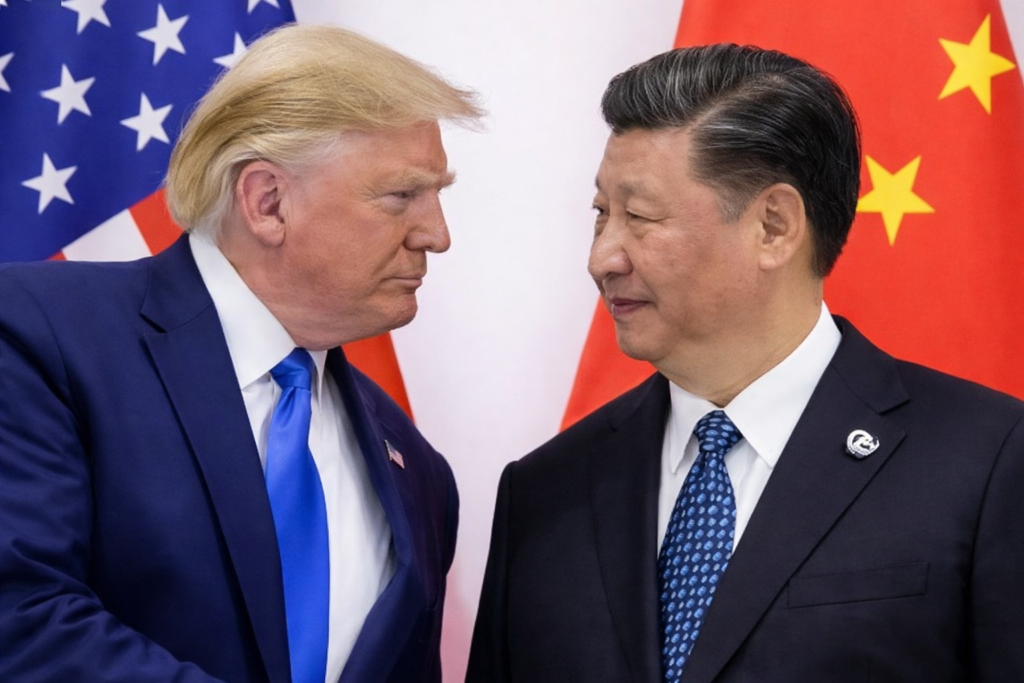
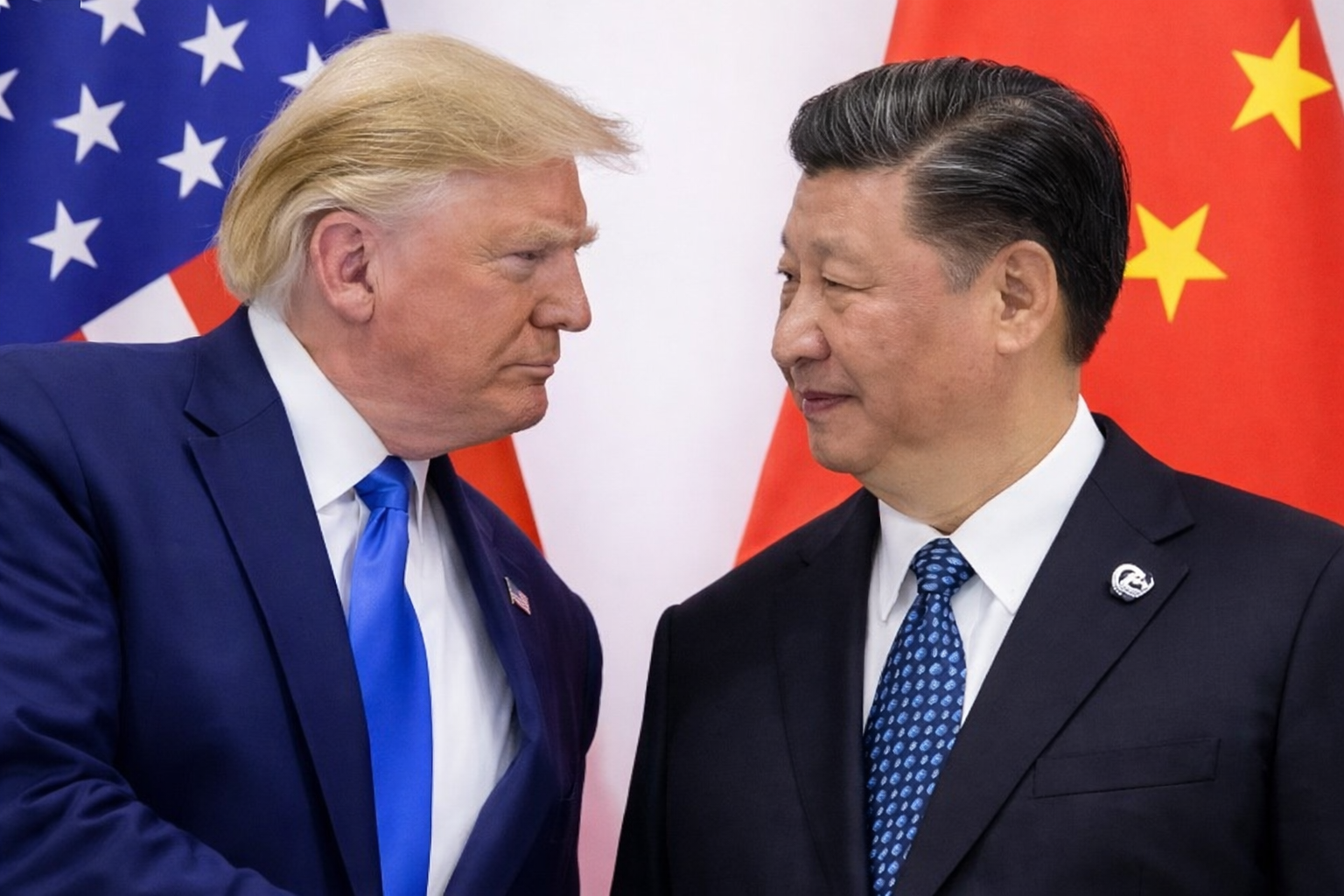
U.S. President Donald Trump and Chinese President Xi Jinping meeting face to face with American and Chinese flags in the background.

What the United States Alleged

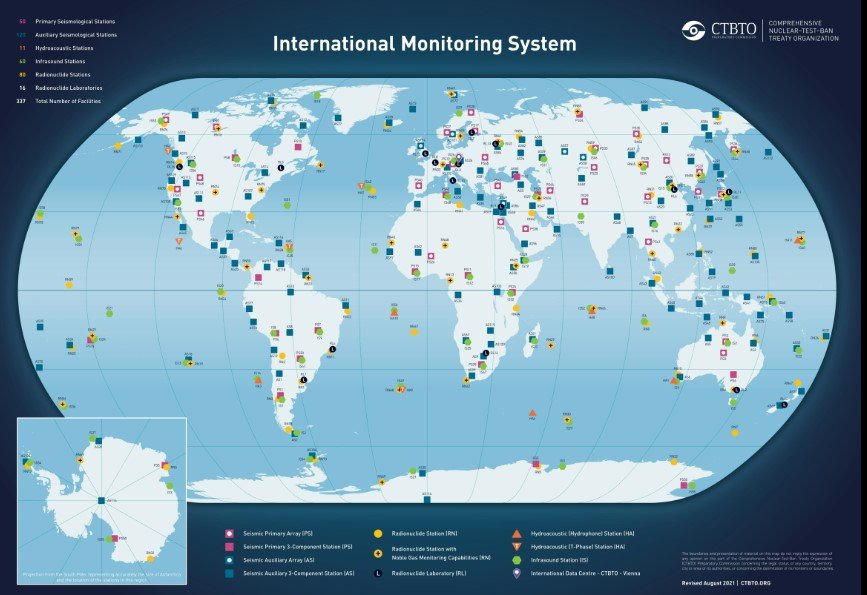
In early February 2026, US officials publicly stated that China may have conducted undisclosed nuclear-related tests in previous years. According to American claims, these activities may have been designed to avoid detection by international monitoring systems.

US officials expressed concern that such actions, if proven, would undermine long-standing international efforts to limit nuclear weapons development. They also warned that secrecy in nuclear testing threatens global trust and stability.

The US government has not released classified technical data publicly but insists that intelligence assessments justify serious concern.

Understanding “Secret Nuclear Testing”

A nuclear test does not always involve a massive surface explosion. Experts explain that modern nuclear-related testing can include:

  • Sub-critical tests

  • Underground experiments

  • Advanced simulations combined with limited physical testing

  • US China nuclear tension

The US claims that China may be using methods that reduce seismic signals, making detection more difficult. While such techniques remain debated among experts, Washington believes they represent a challenge to existing arms-control norms.

Why the Timing Matters

Major nuclear arms agreements that once helped stabilize relations between nuclear powers have either expired or lost effectiveness. Without strong treaties in place, trust between nations is fragile.

Growing Strategic Competition

US–China relations are increasingly defined by competition in military, technology, and economic domains. Nuclear policy has now become another major pressure point.

Rising Global Instability

Conflicts in different regions of the world have increased concerns that misunderstandings between nuclear-armed states could escalate rapidly.


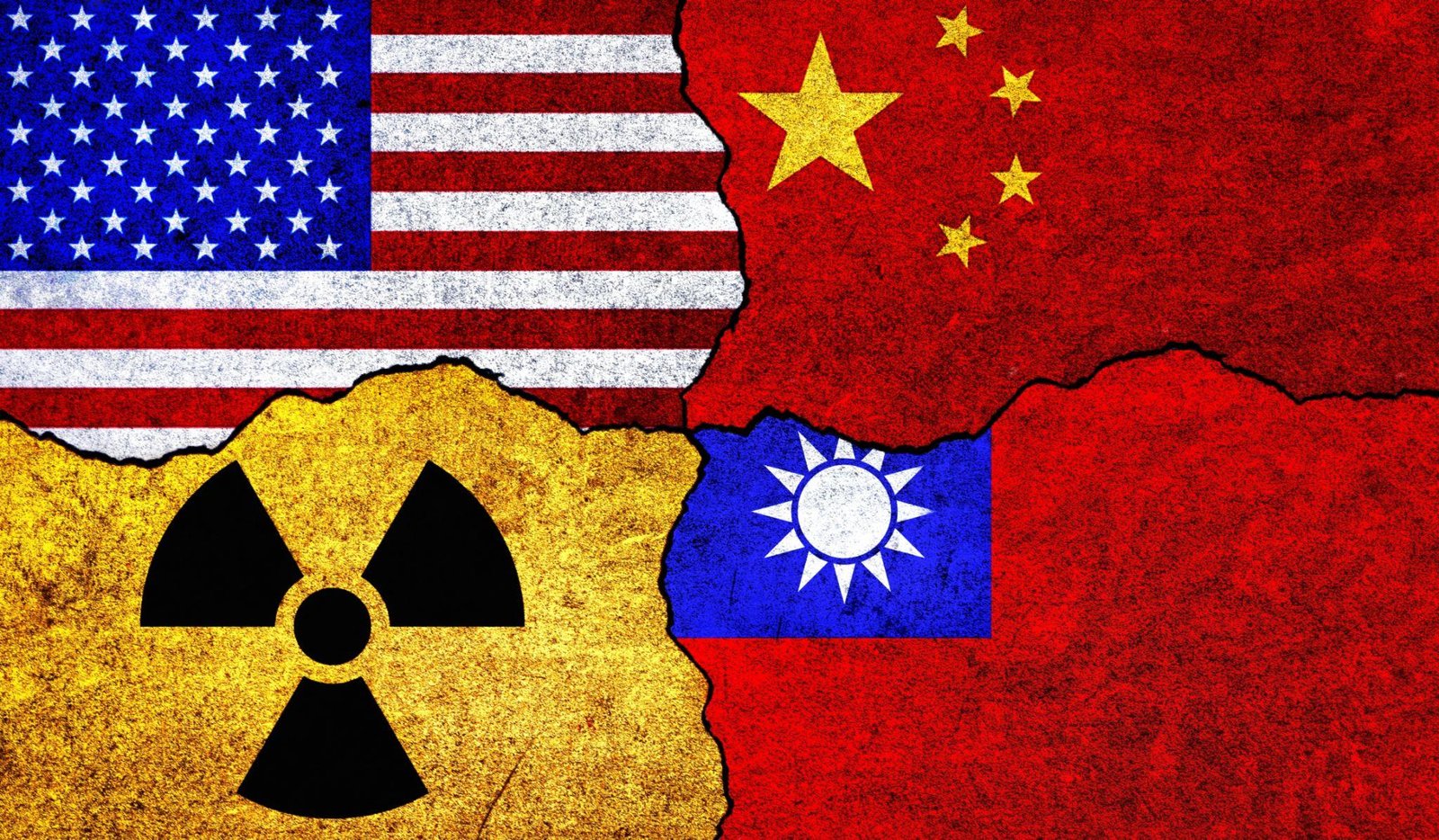
US accuses China of secret nuclear testing

The US government has not released classified technical data publicly but insists that intelligence assessments justify serious concern.

The Strategic Message Behind the Allegations

The recent claims made by the United States against China are not only about nuclear testing. They also reflect a broader strategic message.

How This Tension Shapes Future US Policy

Rising US–China nuclear tension could directly influence future American defense and foreign policies. Lawmakers may push for higher defense.

A World Watching Closely

China’s Global Image Under Pressure

China has consistently denied the allegations, but repeated accusations can still affect its international image. Even without proof, such claims create uncertainty among neutral countries and allies. This puts China in a position where it must defend its stance while continuing to project itself as a responsible global power.

China’s Strong Rejection of the Claims

Why the Timing Matters

his dispute did not occur in isolation.

Several factors make the timing

Weakening Arms Control Agreements

Major nuclear arms agreements that once helped stabilize relations between nuclear powers have either expired or lost effectiveness. Without strong treaties in place, trust between nations is fragile.

Growing Strategic Competition

US–China relations are increasingly defined by competition in military, technology, and economic domains. Nuclear policy has now become another major pressure point.

Rising Global Instability


Conflicts in different regions of the world have increased concerns that misunderstandings between nuclear-armed states could escalate rapidly.

The Impact on Global Nuclear Stability

Nuclear stability depends heavily on transparency and trust. Allegations of secret testing can:

  • Increase suspicion between rival nations

  • Encourage other countries to expand their nuclear programs

  • Undermine decades of non-proliferation efforts

For the United States, maintaining credible nuclear deterrence while preventing escalation remains a delicate balance.


How This Affects the United States

From a US perspective, the issue raises several concerns:

National Security

If rival nations advance nuclear capabilities secretly, US defense planning becomes more complex and costly.

Diplomatic Strategy

The US seeks broader international support for arms control, but accusations without public evidence can strain diplomatic efforts.

Military Readiness

Concerns about rival nuclear advancements often lead to increased defense spending and modernization initiatives.


Exit mobile version