
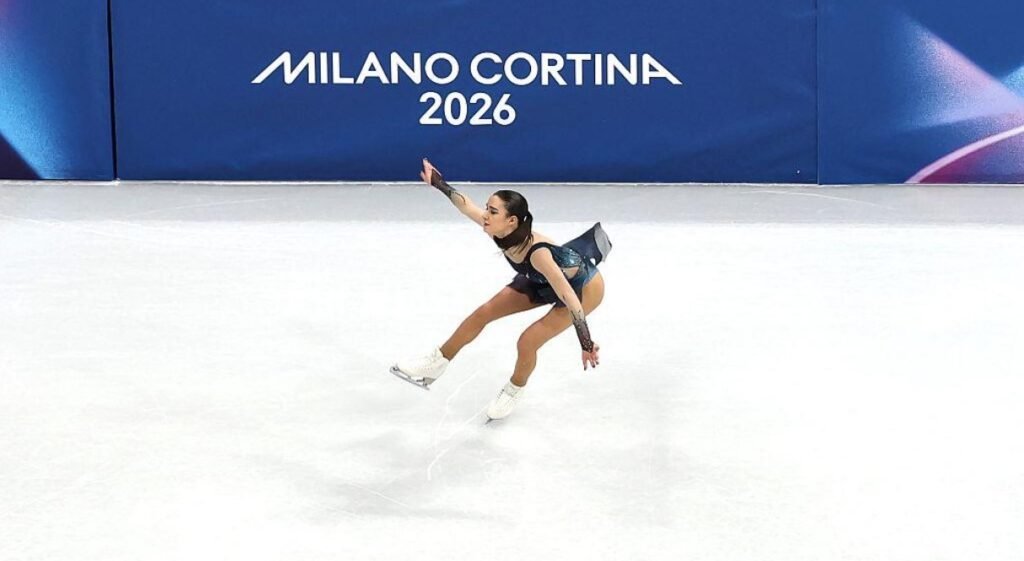
The 2026 Winter Olympics in Milano-Cortina, Italy, have delivered unforgettable sporting moments across multiple disciplines, but few events have captured global attention like the Women’s Single Skating Free Skating final. Known for combining athletic excellence with artistic expression, figure skating remains one of the most emotionally powerful Olympic sports. This year’s women’s competition has elevated expectations even further, bringing together rising young talents, experienced champions, and intense international rivalries 2026 Women Free Skating.
As the final stage of the women’s individual skating competition, the free skating program determines Olympic medals. After the short program set the rankings and built early pressure, the free skate offered athletes one last opportunity to transform their Olympic dreams into reality. Every jump, spin, and musical interpretation mattered, and millions of viewers around the world watched closely as skaters stepped onto the ice.
Unlike the short program, which follows stricter technical requirements, the free skating routine allows athletes greater freedom to express creativity while attempting more difficult technical elements. Skaters perform routines lasting nearly four minutes, combining complex jump combinations, spins, footwork sequences, and choreography designed to match carefully selected music.
Judges score performances based on two main components: technical execution and program components. Technical scores evaluate jumps, spins, and step sequences, while artistic marks focus on skating skills, interpretation of music, choreography, and overall performance quality.
This balance between athletic power and artistic storytelling makes free skating unique among Olympic events. A perfectly landed jump can change rankings instantly, while emotional expression can influence overall impressions. In Milano-Cortina, both aspects played decisive roles 2026 Women Free Skating.
Before the free skating final began, the short program created major headlines. Several favorites delivered nearly flawless performances, while others struggled under Olympic pressure.
Japanese skaters emerged as dominant contenders after the opening round. Their technical precision and consistency positioned them strongly for medal contention. Athletes such as Kaori Sakamoto demonstrated calm confidence, showing why experience matters at the Olympic level. Younger competitors also surprised audiences with fearless performances, proving that the next generation of figure skating talent has already arrived.
For Team USA, the short program presented mixed emotions. Alysa Liu remained firmly in the medal conversation after a strong skate, while other American competitors faced mistakes that pushed them lower in the standings. Still, the free skate offered a fresh opportunity for redemption.
Olympic history has repeatedly shown that rankings can change dramatically during the final program, and fans expected surprises.
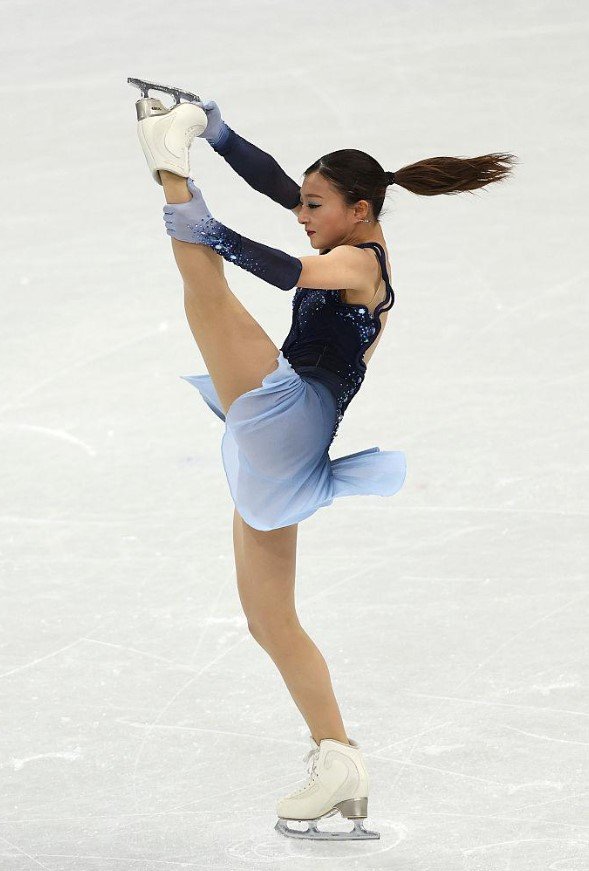
One of the most exciting aspects of the 2026 competition has been the clash between experience and youth. Veteran skaters brought refined artistry and composure, while younger athletes introduced aggressive technical content.
Japan’s strong presence reflected years of investment in figure skating development programs. Their athletes entered the free skating event with confidence, combining powerful jump techniques with graceful transitions. Many experts predicted multiple podium finishes for the country.
Meanwhile, American skaters focused on emotional storytelling and athletic recovery after early challenges. Alysa Liu, widely recognized for her determination and comeback journey in international skating, carried strong expectations from fans hoping to see the United States return to Olympic podium success.
Neutral athletes competing under international eligibility rules also added unpredictability. Some attempted high-risk jump layouts, including triple-triple combinations and even quad attempts, knowing that success could dramatically increase scores.
The Pressure of Olympic Ice
Performing at the Olympic Games differs significantly from regular international competitions. The atmosphere inside the arena, combined with global television audiences, creates unmatched psychological pressure.
Every skater enters knowing that Olympic opportunities are rare. Many train for four years—or longer—for a single performance lasting only minutes. Small mistakes can erase years of preparation.
In Milano-Cortina, emotional reactions were visible throughout the event. Some athletes celebrated perfect landings with visible relief, while others fought tears after falls or missed combinations. Coaches and teammates watched nervously from ringside, understanding how quickly fortunes could change.
Fans responded passionately as well. Loud applause followed strong performances, transforming the arena into a powerful stage where sport and emotion merged together.
Technical Difficulty Reaches New Levels
The 2026 Winter Olympics highlighted how quickly women’s figure skating continues to evolve. Technical difficulty has increased dramatically compared to previous Olympic cycles.
Skaters attempted complex jump layouts, including triple Axel attempts and high-value combinations designed to maximize scoring potential. Speed entering jumps and cleaner landings became essential factors separating medal contenders from the rest of the field.
Risk management also played a major role. Some athletes chose safer routines to avoid deductions, while others embraced aggressive strategies hoping to climb the rankings.
In several performances, risky choices paid off spectacularly. Clean jump sequences received standing ovations from crowds and high grades of execution from judges. However, mistakes also proved costly, reminding audiences that Olympic skating rewards both courage and precision.
Artistic Expression Defines the Event
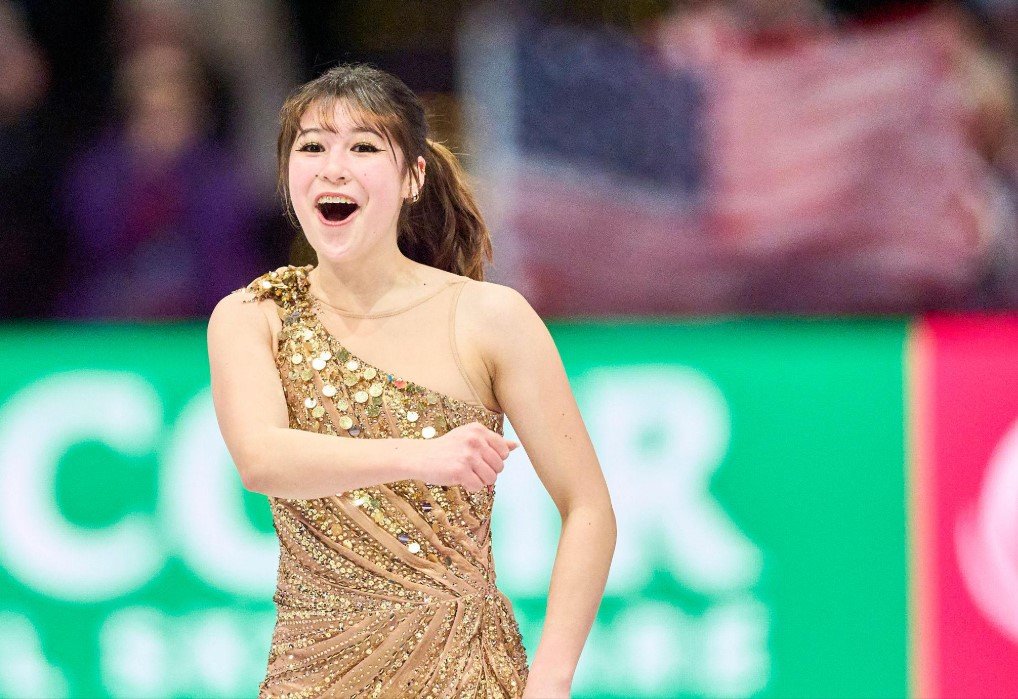
While technical difficulty often dominates headlines, artistic interpretation remained equally important in Milano-Cortina. Music selections ranged from classical orchestral compositions to modern cinematic soundtracks.
Some skaters focused on storytelling themes inspired by personal experiences, cultural heritage, or emotional journeys. Judges rewarded performances that connected deeply with audiences and maintained strong skating skills throughout the routine.
Graceful transitions, expressive facial movements, and strong choreography helped athletes earn higher component scores even when technical elements were similar.
This artistic dimension continues to attract viewers who may not normally follow winter sports. Figure skating offers drama similar to theater or dance, making it one of the most accessible Olympic competitions for global audiences.
Global Rivalries Capture Attention
International rivalries added excitement to the women’s free skating final. Japan’s strong technical consistency faced challenges from American resilience and European artistry.
Fans across Asia, North America, and Europe followed the event closely through live broadcasts and social media updates. Online discussions analyzed jump rotations, scoring decisions, and costume designs in real time.
The global reach of the Olympics ensured that performances quickly became viral moments. Emotional reactions at the kiss-and-cry area—where athletes wait for scores—spread widely online, highlighting the human side of elite sport.
Olympic Legacy Beyond Medals
Regardless of final standings, the women’s free skating competition left a lasting impact. Younger viewers watching from around the world may find inspiration to pursue skating themselves.
Olympic figure skating has historically produced cultural icons whose performances remain memorable long after medals are awarded. Milano-Cortina appears ready to join that tradition 2026 Women Free Skating.
Coaches and analysts have already described this year’s competition as a turning point for the sport’s future direction. Increasing athletic difficulty combined with strong artistic storytelling suggests that women’s skating will continue evolving rapidly.
A Night Fans Will Remember
As the final skaters completed their programs, anticipation filled the arena. Scoreboards determined medal winners, but the emotional journey of the competition mattered just as much as the results.
Standing ovations, tears of joy, and unforgettable performances reminded viewers why figure skating remains central to the Winter Olympic experience.
The Women’s Single Skating Free Skating event at the 2026 Winter Olympics proved once again that Olympic sport is about more than victory. It is about courage, resilience, creativity, and the pursuit of perfection on the world’s biggest stage.
Milano-Cortina delivered not only champions but also moments that will live in Olympic history for years to come.