
Middle East security risks are rapidly increasing as diplomatic concerns continue to grow across the region, forcing governments to reassess embassy safety measures and travel advisories.
The United States has advised non-essential government personnel and their families to leave Israel as security risks in the region continue to escalate. Officials issued this advisory as a precautionary step, as escalating tensions and growing uncertainty have made the situation more sensitive.
Authorities have clearly warned that sudden disruptions in transportation and public safety issues could occur at any time, hence they have described timely departure as the safest option. The government is actively monitoring the situation and this decision has been taken with safety as a priority Middle East security risks continue to influence global diplomacy.
The U.S. State Department emphasized that commercial flights are still operational and encouraged eligible individuals to plan their departure while travel options are available.
Authorities clarified that this decision does not signal any immediate danger, but is part of careful planning to ensure the protection of personnel in a rapidly changing security environment. Officials are actively assessing the situation and taking proactive steps to ensure safety is not compromised.

Recent developments, including increased military activity and heightened political tensions in neighboring areas, have raised serious concerns about potential escalation. Officials are actively warning that if the situation escalates further, it could have a direct impact on civilian movement and disrupt embassy operations. Authorities are continuously monitoring the ground situation to respond quickly to any sudden changes and ensure the safety of personnel.
American citizens in Israel have also been advised to remain alert, regularly monitor official updates, and review their emergency preparedness plans. Embassy officials are continuing to provide consular services and closely tracking developments on the ground. This advisory highlights Washington’s broader strategy, where safety and preparedness are being given top priority during periods of instability. Analysts believe that early evacuation guidance helps governments avoid last-minute emergencies, especially when conditions can suddenly worsen. Diplomatic efforts are actively continuing to ease tensions, but the situation remains fluid, and further updates are expected based on how regional security conditions evolve in the coming days.
American authorities have advised citizens and non-essential government personnel to plan their departure from Israel while commercial travel options are open. Officials clarified that this guidance was issued not to create panic, but to ensure preparedness as regional tensions continue to rise. Authorities are actively emphasizing that if the security situation suddenly changes, Americans can leave safely and smoothly without disruption Governments are closely monitoring Middle East security risks.
The State Department is closely monitoring developments in the Middle East and encouraging travelers to take early action, instead of waiting for emergency measures that could restrict future transportation availability. Officials are prioritizing proactive planning so that safety is not compromised and unnecessary last-minute pressure is avoided.
Embassy representatives are currently operating normally, but they have strengthened safety protocols and strongly urged citizens to stay informed through official alerts and local news updates. Authorities are actively maintaining communication to ensure timely sharing of information on any sudden developments. Airlines are also operating regular flights, allowing travelers to easily plan their departure arrangements through standard booking channels. However, officials warn that conditions can change rapidly during periods of instability, so early planning and constant awareness are crucial.
By encouraging voluntary departures now, the United States wants to avoid last-minute evacuations, which could put extra pressure on diplomatic resources and commercial infrastructure. Authorities have also recommended that Americans remaining in Israel review their emergency plans, maintain regular communication with family members, and always have important documents ready. Analysts view this advisory as a strategic precaution aimed at protecting citizens while actively continuing diplomatic efforts to reduce tensions. Currently, officials are emphasizing awareness, readiness, and calm decision-making, as the situation is constantly evolving and conditions could change at any time Expanding Middle East security risks may impact travel and trade.
Amid Growing Tensions, US Embassy Permits Staff to Leave the Region
Amid rising tensions in the region, the United States Embassy has granted permission for non-essential staff and their families to leave, ensuring personnel safety while uncertainty remains high. Officials issued this authorization after a detailed security assessment, as they recognized that sudden disruptions could impact transportation, public safety, and diplomatic operations. Embassy leadership clearly emphasized that this step is not a signal of panic, but a precautionary measure that gives employees the option of voluntary departure as long as commercial travel routes are accessible.
By taking early action, authorities seek to reduce the risks associated with emergency evacuations, which can often become complex and stressful during rapid conflict escalation. Through proactive planning, officials are trying to avoid last-minute pressure and logistical challenges. At the same time, diplomatic teams are continuing core operations to ensure essential services remain available to American citizens despite reduced staffing levels. The Embassy is actively ensuring that consular support, communication channels, and emergency assistance function smoothly, even as precautionary departures take place.
Security experts have strengthened coordination with local authorities and international partners to closely monitor potential threats and respond quickly if conditions change. Americans in the region have also been guided to remain vigilant, maintain regular communication with the embassy, and carefully review their emergency preparedness plans. Airlines are continuing to operate scheduled flights, allowing travelers to plan their departure arrangements without urgent restrictions. Analysts believe such precautionary measures allow governments to remain flexible while prioritizing safety during volatile periods. Diplomatic efforts are actively continuing to calm tensions, and officials are focused on readiness, clear communication, and the protection of overseas personnel and citizens.
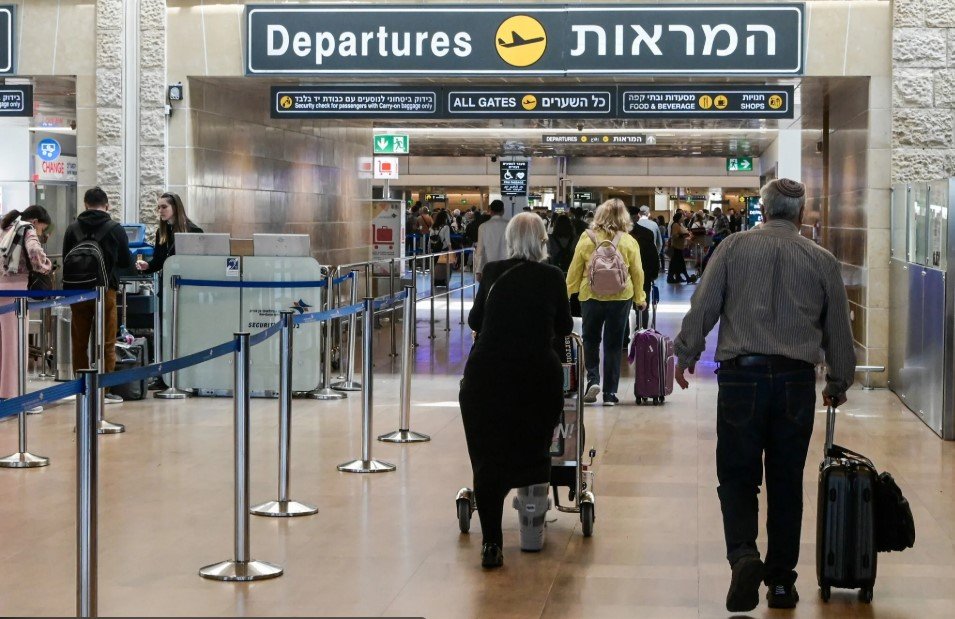
Diplomatic Concerns Rise Amid Expanding Security Risks in the Middle East
Expanding security risks in the Middle East are rapidly reshaping the political and military landscape, leading to growing diplomatic concerns. Governments are closely monitoring developments in the region as rising tensions are creating uncertainty in multiple countries. Officials are strengthening security protocols at embassies, reviewing travel advisories, and increasing coordination with allied nations to prepare for possible disruptions. Leaders are actively engaging in diplomatic dialogue to prevent further escalation, but ongoing military movements and strategic alerts are maintaining constant pressure on the situation.
Many nations have reassessed the safety of their personnel and citizens abroad, and have encouraged the adoption of precautions and contingency planning. Intelligence agencies are actively tracking potential threats Middle East Security Risks Grow , while foreign ministries are issuing regular updates to maintain transparency and readiness. Airlines and commercial operators are also evaluating their routes to ensure passenger safety amid fluctuating conditions. Policymakers recognize that even localized incidents can rapidly influence broader regional stability, with a direct impact on trade, energy markets, and international partnerships.
In the wake of this situation, governments are maintaining a balance between strong security measures and ongoing diplomatic outreach, aimed at reducing misunderstandings and avoiding conflict. Analysts emphasize that early preparation allows countries to respond calmly, instead of reacting under pressure in crisis situations. Diplomatic channels are still open, but authorities are making the protection of citizens, critical infrastructure and strategic interests their top priority. This evolving situation clearly highlights how important vigilance, strong coordination and steady leadership are during heightened geopolitical uncertainty.
Conclusion
Middle East security risks continue to shape diplomatic decisions as governments respond with caution, coordination, and preparedness. By strengthening embassy security, issuing travel advisories, and allowing voluntary staff departures, authorities aim to protect citizens while maintaining essential diplomatic operations. Leaders actively pursue dialogue to prevent further escalation, understanding that stability depends on communication as much as precaution. Although uncertainty remains across parts of the region, early action and strategic planning help reduce the likelihood of emergency responses later. As Middle East security risks evolve, global attention stays focused on protecting lives, safeguarding international partnerships, and encouraging peaceful solutions.